
The Children’s Alleged Corruption
The Turn of the ScrewThis flow traces the Governess’s changing belief that the children’s charm conceals the influence of the dead.
increasing Bearing strength in each event
 decreasing
Bearing strength in each eventdecreasingThe School’s Judgment
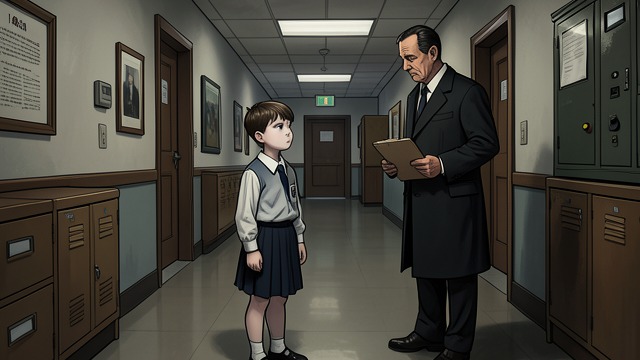
An Unexplained Charge
Expulsion
Miles is sent home from school, and the Headmaster refuses to keep him, but no offense is specified.
A Question of Danger
The Governess wonders whether the boy has harmed or corrupted other children.
The missing explanation opens a conflict between institutional judgment and her immediate affection for him.
Goodness as Evidence
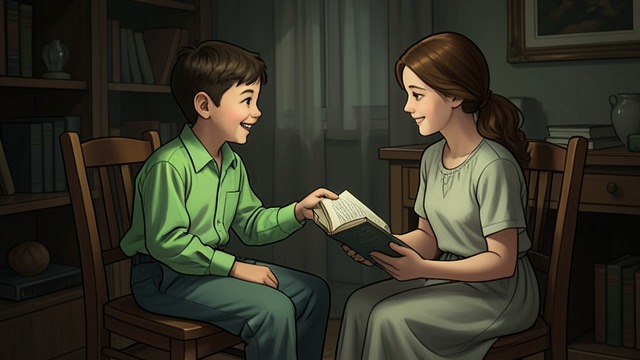
The Angelic Image
A Reassuring Boy
Miles behaves with such sweetness that the Governess treats his manner as evidence against the school’s accusation.
A Convenient Conclusion
She imagines that his superiority offended lesser people and avoids asking what actually happened.
Affection temporarily defeats suspicion, but the original conflict remains unresolved.
A Different Account of Innocence
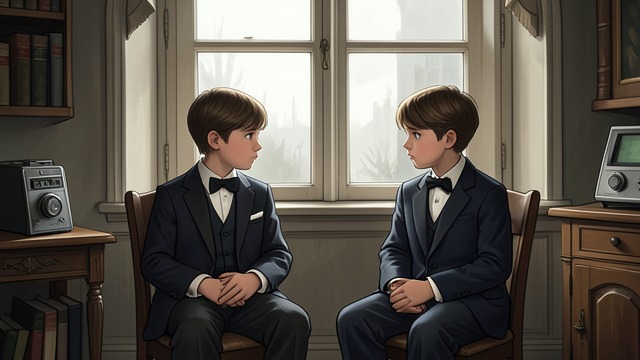
Hidden Conduct Suspected
The Children’s Silence
The Governess notices that Miles and Flora never speak about Quint or Miss Jessel.
A New Interpretation
She begins to see their good manners and affection as a policy that conceals a separate life.
The same qualities once taken as proof of innocence now become, in her account, evidence of artifice.
Corruption Made Visible
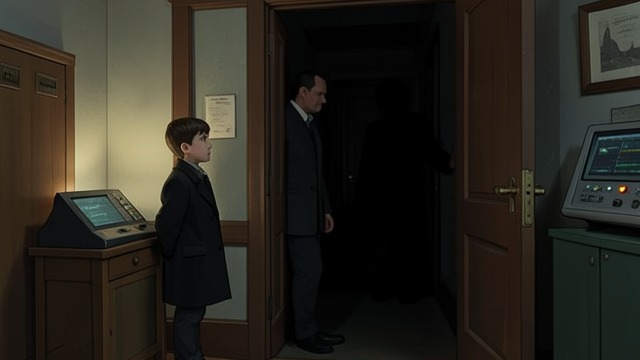
A Theory of Influence
The Four Figures
The Governess decides that the children are in communication with the two dead adults.
A Predicted Danger
She fears the ghosts will destroy the children by drawing them toward dangerous places and actions.
Her theory gives the silence a dramatic purpose but remains dependent on her readings of behavior.
The Last Attempt to Save Miles
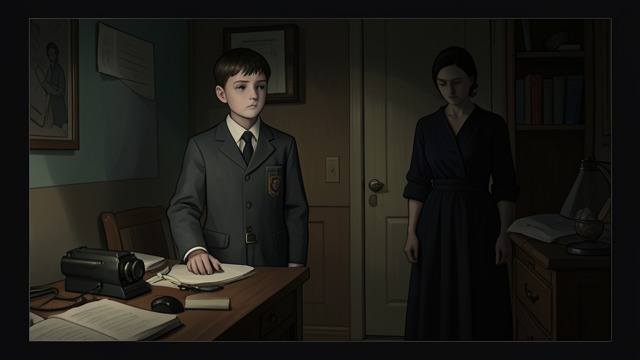
Innocence and Intervention
A Confession
Miles acknowledges taking the letter and recalls saying things to schoolmates, without fully explaining the scandal.
An Irreversible Result
The Governess presses him to recognize Peter Quint, and Miles dies after looking into the room.
The possibility that she is saving an innocent child and the possibility that she is harming him remain painfully entangled.
Before Miles returns to Bly
The first weeks after Miles arrives
After the Governess questions Mrs. Grose
After the night on the lawn
At the ending
